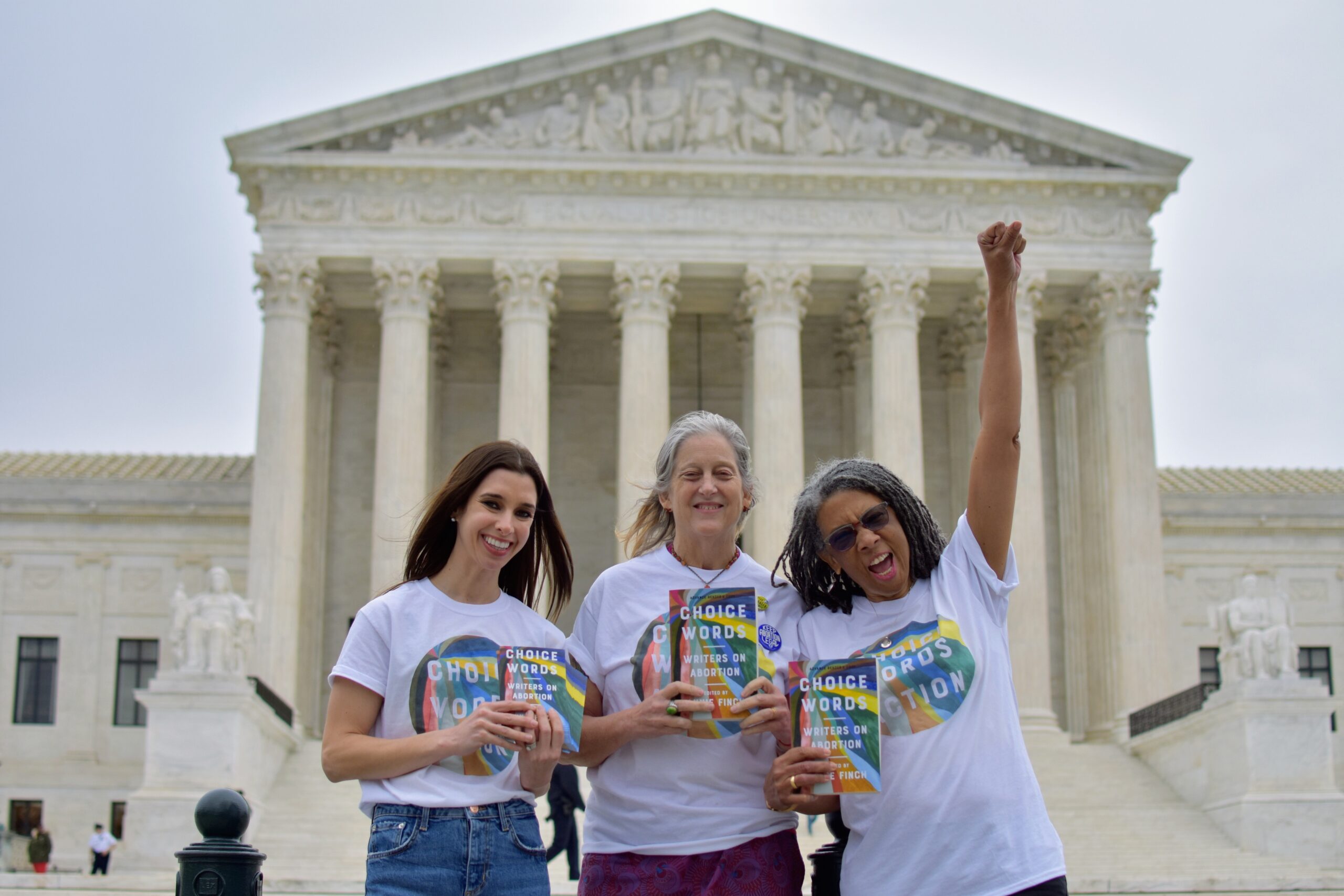

Editing an anthology is one of the most powerful ways that writers can change the literary landscape. Having edited nine anthologies, I have been asked often for advice on how to do it. Here are my best practices:
Starting Out
- Start by using personal contacts and careful solicitations to persuade a core group of fairly well-published poets (with at least a book or two from a national press) and at least a few “big names” to commit to your project. This should be possible if you choose poets likely to really care about your book’s angle, tell them honestly that you don’t have a publisher yet, and make it clear that you know you are asking them to do you a favor by committing to an anthology under those conditions. Aim for 5-12 poets.
- Using the list of committed poets as proof of the value and seriousness of your project, broadcast a letter to all the likely poets you can think of, describing your project and asking for submissions, again explaining honestly that you don’t have a publisher yet. Unless they already know you personally, it’s best not to ask superstars at this point; they will be more likely to say yes later, after you have a publisher.
- If you are going to include reprinted work, round up a good sample.
- When you have a fairly good-sized table of contents, approach publishers (as many as you like) who have done similar books or seem likely candidates for any reason. Try to send to an individual editor (you can call the press and ask for the poetry editor’s name, if you need to). Approach them by mailing a packet consisting of a cover letter; a Prospectus; the “tentative table of contents” you created with steps 1-3 ; a sample of 15-20 pages of the work; and your own 1-page bio or abbreviated resume. The Prospectus should be 2-4 pages long and explain in lively marketing-type language what your book will be; what makes it special and likely to attract readers; who the audience will be; what other books like it are in print and how your book will be different from those existing books. The cover letter should recap very briefly what is special about the book and a few highlights of your bio.
- If you know your book will involve reprinting permissions fees, add a paragraph in the prospectus and a sentence in the cover letter explaining how you expect to cover these. I recommend starting off by reminding them what they won’t need to pay for: Is some of the material in the public domain (published before 1925?) Is some of it by friends who will ask their publishers to waive the reprint fee? Is some of it free because it’s previously unpublished? As for the rest, be creative. Can you get a grant from a foundation or from a dean’s office at a university where you teach to cover some of the permissions costs? Are you willing to do some fundraising? (an option to keep in reserve if all else fails is a Kickstarter campaign such as the one I ran for my anthology Choice Words). Some publishers will be willing to front you permissions against royalties; will you be willing to defer receiving royalties until the permissions are paid off? Publishers may contribute from a few hundred to several thousand dollars or more for reprint fees, but they will probably expect you to contribute a good share. While you don’t want to go into tons of detail at this point, it’s good to show by mentioning some of these aspects that you are aware that reprint fees exist and are willing to work with the publisher to deal with them.
- There are plenty of publishers out there; keep trying until you find one.
- Once you have signed with a publisher, approach some of the bigger-name contemporary writers and ask them to contribute.
Finishing the Book
- The two biggest steps in preparing an anthology are manuscript preparation and obtaining permissions. Start with permissions because they take a long time. You will need to find out for each piece whether it is public domain or if not and who holds the rights, and to contact the publisher (big ones have special “Rights and Permissions” departments) by mail requesting permission. KEEP A RECORD OF EVERYTHING because if they don’t answer you after you send them 3 or 4 letters (this is surprisingly common) you will have legal proof that you did your best to reach them, which allows you to include the work since your paper trail will stand up in court in case they ever give you a problem. In your letter, state that you are requesting permission and give the name of the publisher, whether they are for-profit or nonprofit, title of book, size of print run, and expected price of the book. If your publisher needs British or world rights, ask for them separately. Then, for each work you want to reprint from that publisher, list the title, author, and name of book in which the work appears. Finally, if your budget is limited, state that you are asking them to waive the fee or to name the lowest possible fee, and list any factors that you think may help persuade them: limited print run, small size of the press, nonprofit press, etc. If the author agrees, it may help to say that the author has agreed to request to waive the fee, though many publishers will unfortunately refuse to waive it anyway. If you are requesting many permissions, use a form letter and write in the title of the reprinted work for each letter. They will not be insulted. When you hear back from them, if the fee is too high, it’s fine to bargain: write back (as many as 2-3 times) and ask them to lower it, and often they will keep lowering it. When you have all the letters granting permissions, prepare an acknowledgements page to include with the completed manuscript, respecting any exact wording the publishers have requested. (Note: there are professional permissions people willing to do all this work for you for a price.)
- Editing is a lot of hard work. Be kind to yourself, and be sure to avoid unnecessary stress. When it comes to accepting work, keep your options open as long as possible. The vision of the book may change, amazing new work may appear just under the wire, the publisher may impose page limits. There’s no need to make any binding promises until you have a chance to consider the book as a whole and are completely certain you will be using a piece. In the meantime, you can draft an acceptance letter that says, “I love this and it has made the first cut. I will update you after final decisions have been made.” If you also make clear that you are only requesting one-time rights and that the author will maintain all rights to publish the piece anywhere else before and after your anthology’s publication, the contributors should be ok with allowing you the time and space you need to make the best anthology possible. Choice Words took twenty years to edit. Don’t let yourself be rushed into anything.
- Regularizing the manuscript is of course easier if all the writers can send their material on disk or email (get a bio note and a snail address to send the contributor’s copy at the same time). If you need to work from print, consider using voice recognition software to enter the text. Scrivener is my favorite software for all writing projects; it allows you to keep everything in one place and re-order the book to your heart’s content. When assembling the ms., doublecheck to make sure that title, authors’ names, font, margins, and spacing are all standardized between the different texts.
- When you have standardized all the text, send proofs to each author. This is normally done by email nowadays. You can send individual text or a copy of the whole ms. if you are comfortable doing that. If you prefer to use snail mail, print the bio notes all on one page, cut them into strips, and staple each author’s to their poetry for proofing. If you want to start to build community among your contributors (one of the great satisfactions of editing an anthology imho), you can write a friendly letter (especially appreciated if they have agreed to waive fees or in other ways been generous with you) and include a full list of contributors so they will know who else is included. Be sure to name a specific date after which you will consider that the proofs have been approved if you haven’t heard anything back.
After Publication
- After the book is published, it’s nice to write a letter to be included in each contributor’s copy, thanking them for participating. Now is the time to include payment for contributors, which can vary from one copy (the most common payment) to two or more copies, a stipend, or a portion of royalties. The publisher will probably be happy to include such a letter when mailing the contributor copies. If you want to encourage group readings from the book, include a list of contributors divided by geographic origin, and feel free to encourage contributors to carry out any other ideas you may have for promoting the book.
- Reread June Jordan’s classic on literary activism Poetry for the People, and bask in the satisfaction that you have made a perceptible difference in the literary flow.